
 US Dollar
Frequently Asked Questions About Vertical Reciprocating Conveyors
Posted by Audrey Hood on May 20th 2026
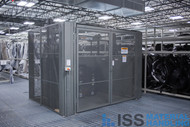
Vertical Reciprocating Conveyors are often found in facilities with second floors or mezzanines. These material handling solutions keep workers safe and material moving efficiently by transporting items in a vertical fashion. Find out everything you need to know about these automation solutions.
General Vertical Reciprocating Conveyor Questions
What is a vertical reciprocating conveyor (VRC)?
A Vertical Reciprocating Conveyor is a material handling solution designed to transport material vertically between floors. VRCs move heavy material, not people, in a safe and efficient manner.
What is a VRC used for?
A VRC is used to move heavy or bulky items from floor to floor in a vertical manner. These automation solutions are used to take the heavy loads off workers by providing a safe solution.
How does a vertical reciprocating conveyor work?
A Vertical Reciprocating Conveyor works by using a platform to hold material that raises and lowers by using a mechanical or hydraulic system.
What’s the difference between a VRC and a freight elevator?
The main difference between a VRC and freight elevator is the type of load that they move. A VRC only transports material while freight elevators can carry material and people. Since VRCs do not move people, different codes and regulations are required.
Is a VRC considered an elevator?
No, a VRC is not considered an elevator. Vertical Reciprocating Conveyors only carry material, not people, whereas elevators transport people. These have different safety standards and codes.
When should you use a VRC instead of an elevator or lift?
A VRC should be used instead of an elevator when you need to move heavy or bulky items from floor to floor in a safe manner. VRCs are great for when workers don’t need to be with the load when transporting items.
Are vertical reciprocating conveyors legal and code-compliant?
Yes, Vertical Reciprocating Conveyors are legal and code compliant. These automation solutions typically follow OSHA related codes and require safety features such as gates, enclosures, and more.

Automotive Dealership Specific Questions
Why do automotive dealerships use vertical reciprocating conveyors?
Automotive dealerships use Vertical Reciprocating Conveyors to move heavy loads from floor to floor, often from the ground floor to a mezzanine. Dealerships often need to keep many parts on hand and so having a second floor with a safe way to move items is efficient for operations. Many automotive dealerships will store bulky items such as tires, bumpers, doors, hoods, and fascias on their mezzanine floor, making a VRC very handy.
Can a VRC be used in a tight dealership footprint?
Yes, Vertical Reciprocating Conveyors can be used in tight dealership footprints. VRCs move items vertically, making them great for areas that have limited floor space as they take advantage of clear height.
Are VRCs safe for moving tires between floors?
Yes, VRCs are safe for moving tires between floors. Many automotive dealerships create tire storage space on second levels and use VRCs to move tires to ensure that their workers stay safe and don’t strain themselves.
Cost, Budget, and ROI Questions
How much does a vertical reciprocating conveyor cost?
A Vertical Reciprocating Conveyor’s cost depends on the size, site conditions, and application. Generally, VRCs are less expensive than a freight elevator as they are designed for material movement only.
What factors affect the cost of a VRC?
Several factors affect the cost of a VRC including the weight and height capacities. Depending on the material load application, speed, and travel distance, a VRC can vary in cost.
Is a VRC worth the investment for a dealership?
Many dealerships find a VRC worth the investment as it allows them to use their vertical space in a safe and efficient way. With a VRC, they are able to utilize second levels to store more with a reliable material handling solution.

Safety, Code, and Compliance
Are vertical reciprocating conveyors safe?
Yes, Vertical Reciprocating Conveyors are safe when used correctly. These automation solutions are designed for vertical movement of materials that stay securely in the module as it moves.
What safety features do VRCs have?
VRCs can be designed to have a variety of safety features. Some safety features include enclosed lifting areas, locking gates, load controls, and sensors that can prevent movement.
What codes apply to VRCs?
VRCs are governed by material handling safety codes and often must follow OSHA requirements.
Are operators required to be certified to use a VRC?
Operators are not required to be certified to use a VRC, but they still must be trained on how to use a VRC safely.
Are VRCs OSHA compliant?
Yes, VRCs are OSHA compliant when properly designed, installed, and maintained. OSHA compliance depends on setup and workplace safety, which includes correct guarding and access control
Installation & Building Design Questions
How much space does a VRC require?
The space that a VRC requires depends on your application and the types of loads it will be lifting. VRC size can be customized to your space and needs, being compact if you have limited floor space, and larger for bigger and bulkier loads.
Can a VRC be installed in an existing building?
Yes, a VRC can be installed in an existing building, often being used in renovation or expansion projects. This makes them great for facilities wanting to expand their footprint.
How long does it take to install a VRC?
Installation times for a VRC varies depending on the complexity of the design and application. The installation is typically straightforward compared to elevators, minimizing downtime for facilities.

Load, Size, and Performance
How much weight can a VRC carry?
The weight capacity of a VRC depends on the design. While standard capacities range from 100 lbs up to 30,000 lbs, they have been designed to move loads weighing more than 100,000 lbs.
How tall can a vertical reciprocating conveyor be?
A vertical reciprocating conveyor can be designed to a custom height, working to fit the type of material that you need to move in your facility. They are designed for as low as 4’ up to 200’ in height.
What size is the carriage in a VRC?
The carriage size can also vary by design but can be as small as 24” x 24” up to 60’ x 60’.
How fast does a VRC move?
The operating speed of a VRC is determined by its design, but these material handling systems move material in a controlled manner rather than at high speeds. The standard speeds range from 20 feet per minute up to 28 feet per minute.
Operational & Maintenance
How much maintenance does a VRC require?
VRCs require general routine maintenance rather than intensive service. Preventative maintenance includes regular inspections and lubrication of moving components.
How long to vertical reciprocating conveyors last?
The lifespan of a Vertical Reciprocating Conveyor depends on upkeep and maintenance as well as the environment. These are long-term solutions when taken care of properly.
How often should a VRC be inspected?
A VRC should be inspected regularly to ensure it is operating safely. Professional inspections should take place once a year to ensure everything is functioning correctly.

Ready for a Vertical Reciprocating Conveyors?
After learning more about these automation solutions, if it sounds like something that could benefit your facility, give us a ring at 1-800-875-6201 or fill out an inquiry form here. The team at ISS is ready to help from design to installation, ensuring you make the most efficient use of your space.